
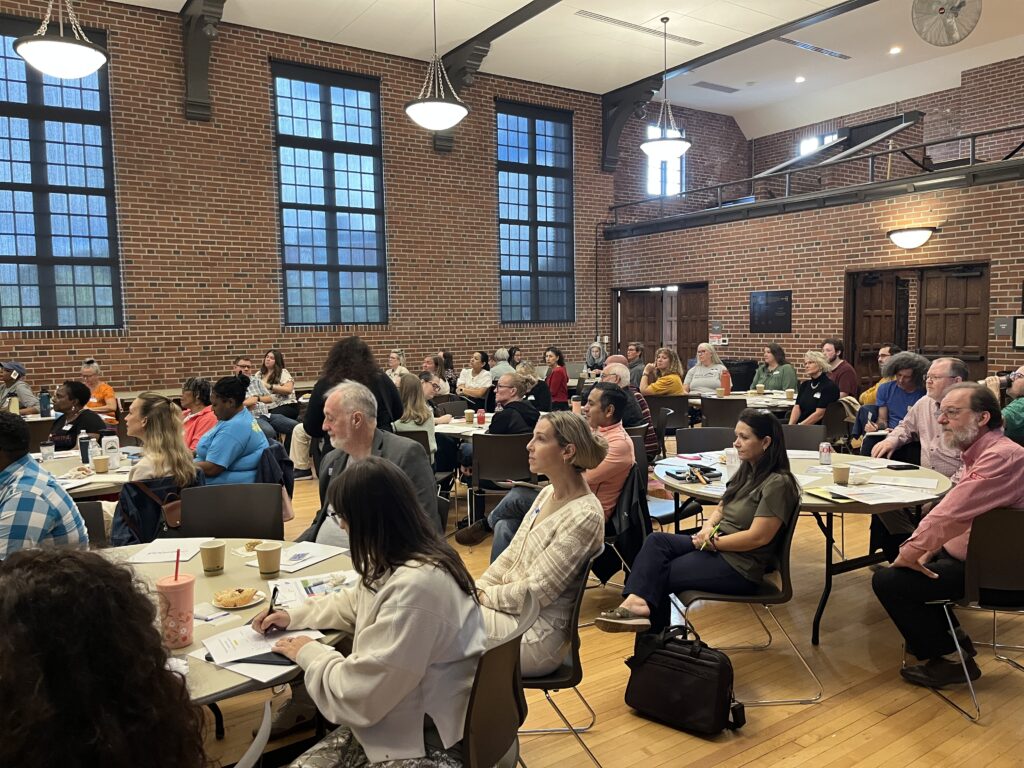
In October 2026, local leaders from across Western North Carolina (WNC) gathered at AB Tech to welcome 25 new organizations to Dogwood Health Trust’s Digital Opportunities Initiative. They join 52 existing grantee partners and together they will grow and strengthen the incredible efforts underway to decrease the digital divide in WNC.
Since launching the initiative in January 2025, Dogwood has brought organizations together with the shared goal of making high-speed and broadband internet and devices available, affordable and useful for everyone in the region. We asked Sarah Thompson, vice president of economic opportunity, and Jeremiah Robinson, program and strategy officer, to share their reflections on this work and what to expect in the year ahead.
Tell us how Dogwood’s Digital Opportunities work has evolved.
To answer that, we have to go back several years prior to launching the initiative. We started with a strategy to address the huge, unmet need for digital access in WNC. We saw an opportunity to help our region leverage the historic levels of federal funding made available after the COVID-19 pandemic for rural broadband.
One of the first things we did was fund the Institute for Emerging Issues to create digital inclusion plans across WNC, making us the first region in the state to reach this milestone. As we began to design the Digital Opportunities Initiative, it was evident that it would need to address both broadband infrastructure gaps (access) and residents’ ability to use the internet once it was available (adoption).
The initiative’s first set of investments supported infrastructure planning and mapping, as well as the formation of nine community collaboratives to focus on strategies like providing public Wi-Fi, free or low-cost devices, digital skills training and other internet adoption programs.
Now we’re welcoming a second round of grantees into this work, and our existing collaborative partners are actively engaging in communities. Today, we have more local leaders who are listening to the challenges our residents face in using the internet and technology and implementing innovative solutions to help the communities they serve. One of the biggest things they’re doing is helping with what’s called digital navigation.
What is a digital navigator – and why is this work so important right now?
A digital navigator is someone who helps people use technology. That could include help accessing or using the internet itself or help with using devices like laptops, smartphones, and tablets.
When we asked grantees how we could help the most people and make the most impact, we heard a common theme. We need more people in our communities who are trained to help their neighbors use technology directly or connect to resources like digital literacy classes at a local library or places to find devices at low-or-no cost.
Going forward, we are focused on training all our grantees to be digital navigators because getting online or having a laptop is not enough — people also need the skills and confidence to use these tools for daily life. This support is more important than ever because we rely on the internet for our everyday needs: everything from banking and healthcare to work, learning, public services, and staying in touch with family and friends.
We are living through a huge technological transformation with the internet spreading into almost every part of our daily routine. Our aim with this work is to build capacity in our communities that will help our WNC neighbors stay connected to each other and the vital resources we all need to create a more prosperous future for the region.
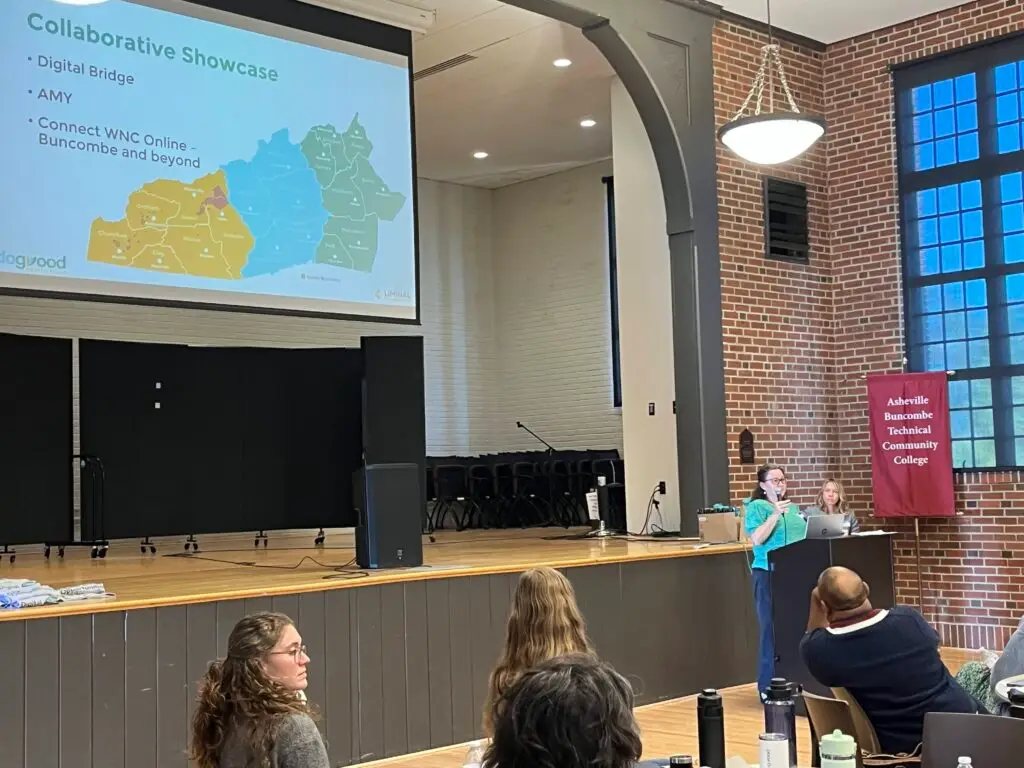
Tell us about the new grantees and the work they’re bringing to the initiative.
Most of our new grantees are working to integrate digital navigation into their existing work and services. Organizations of all kinds work with people who encounter barriers to using technology. When those organizations are trained in digital navigation, they can point their clients to the programs in the region that help remove these barriers.
Some other new grantees are doing similar work to those who’ve been in the initiative for the past two years, such as offering digital literacy classes and devices to those in need. We’re excited about continuing to expand this network.
For example, one effort we’re especially excited to support is the American Connection Corps, a full-time AmeriCorps fellowship program run by Lead for America. It places fellows in local communities to expand broadband access, digital literacy, and economic mobility. Through the program, some of our Digital Opportunity grantees will take on a recent graduate or other local candidate to advance their organization’s work. It’s a fantastic opportunity not only for our grantees, but also for the fellows who gain professional experience. This is the first time Dogwood has partnered with a national fellowship program, so we’re thrilled that we can pilot this with the Digital Opportunities Initiative.
What can other organizations and funders learn from this work, even if they’re not focused on broadband access?
No matter what issue funders are focused on, digital access is at the core of it. Whether it’s education, workforce or healthcare, if the people you are trying to reach and serve can’t get on the internet or use digital tools effectively, they will be slipping through the cracks. This is a wellbeing, opportunity, and equity issue. People living in rural areas, older adults, people of color, people with disabilities, people with limited English proficiency and families with lower incomes are more likely to face barriers to digital access. We need to work together to close those gaps.
We also want to emphasize what we’ve learned about collaboration and the power of bringing local partners together to address a shared challenge. Our north star has always been listening to the communities we serve, building trust and lifting up the next generation of local leaders. It’s about people right here in our own communities stepping up to help their neighbors, working collaboratively with other organizations in their communities to share resources and shoulder burdens. Yes, we’re focused on digital opportunities, but you can use this recipe for collaboration to tackle any other community issue.
What are you most excited about for the year ahead?
We’re excited about the opportunities we’ll have for everyone engaged in this initiative to collaborate together. There’s going to be a lot of learning and innovation that comes from having all these different organizations and leaders working together toward a shared goal.
We’re also really inspired and encouraged by all the ways more people are getting involved with this work. Our partners are offering local and regional workshops to train more people to be digital navigators. More local organizations have a digital navigator on staff. More community partners are asking digital navigators to lead a workshop or help a resident in need. This work will continue to grow.
It’s important for people to understand that all of us can play a role. It can be as simple as learning what help and resources are available in your neighborhood and sharing that information with people who need it.
And, lastly, and likely most importantly, we are looking forward to hearing all the stories of people who have been helped through this work.
Posted Oct. 19, 2026
