
Reliable high-speed internet connects people to essential opportunities – from school and work to health care and banking. In rural communities, those connections are especially critical for ensuring residents have access to vital services and helping local businesses grow. Since launching the Digital Opportunities Initiative in January 2025, Dogwood Health Trust has partnered with ten collaboratives – representing more than 50 organizations across Western North Carolina – to build local capacity and break down barriers like cost, access to devices, and digital literacy. Sarah Thompson, vice president of Strategic Initiatives and Economic Opportunity, shares key learnings from the first year and previews what’s to come in 2026.
Why is digital opportunity a priority for Dogwood? What do you hope to accomplish?
When it comes to our work on digital opportunities or any issue, our why always starts with the people who live here. Our work centers on improving the health and wellbeing of everyone in Western North Carolina. Making sure people can access and use the internet in all areas of their lives is essential to that vision. In our region, some 80,000 households lack high-speed internet connectivity, and Hurricane Helene severely damaged our infrastructure, making challenges even more pronounced, especially in rural areas.
Our big goal for the Digital Opportunities Initiative is to make high-speed internet and the tools people need to use it available, affordable and useful for everybody. We realized early on that focusing on broadband infrastructure alone wasn’t enough. It had to be paired with helping everyone use the internet in ways that improve their lives.
We need approaches rooted in collaboration and homegrown strategies that focus on people. This work is building community partnerships, equipping local leaders and engaging residents in removing barriers. And that’s exactly what’s emerging through the work of our collaboratives.
Tell us about what the Digital Opportunities Initiative focused on in year one.
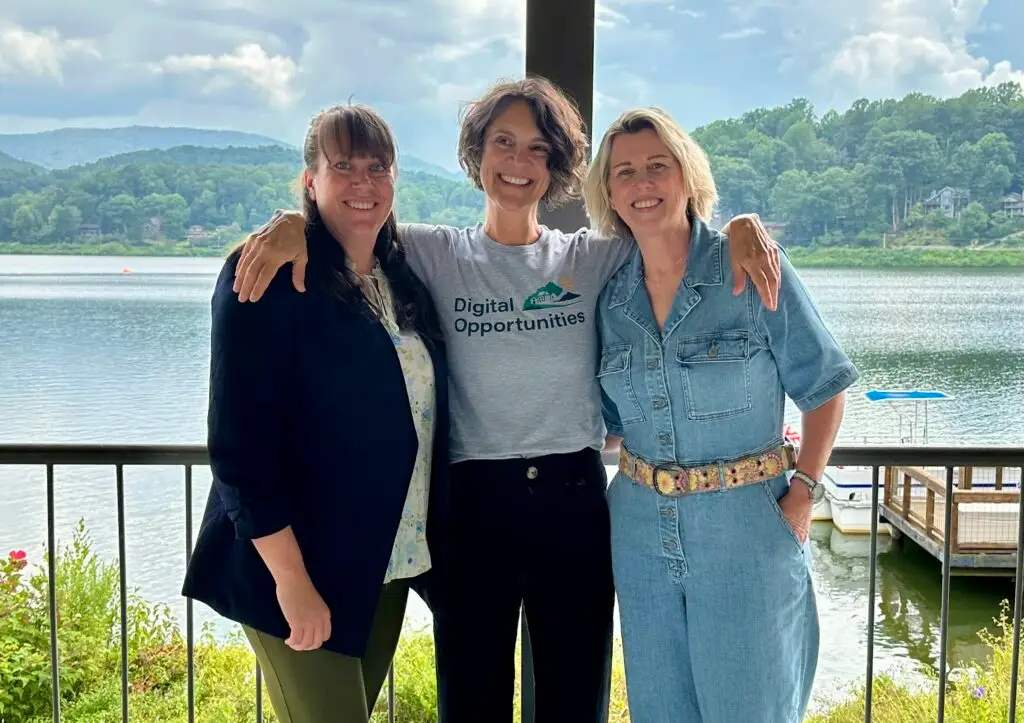
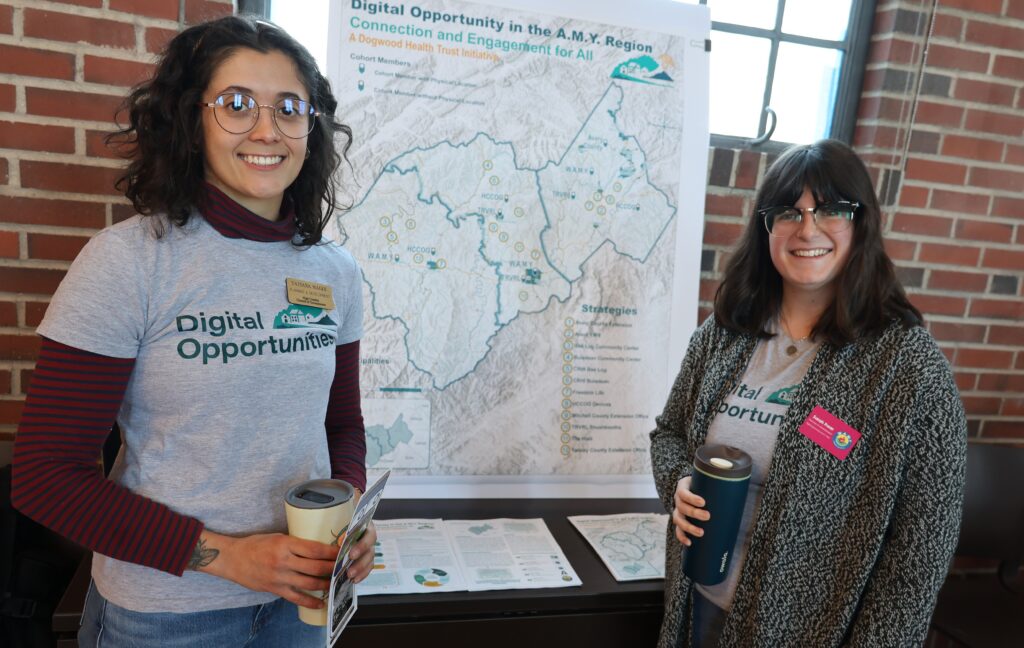
2025 was an inspiring journey of growth and learning. Hundreds of people from 53 diverse organizations organized into ten collaboratives with the shared goal of understanding the needs in their communities and working together to build solutions.
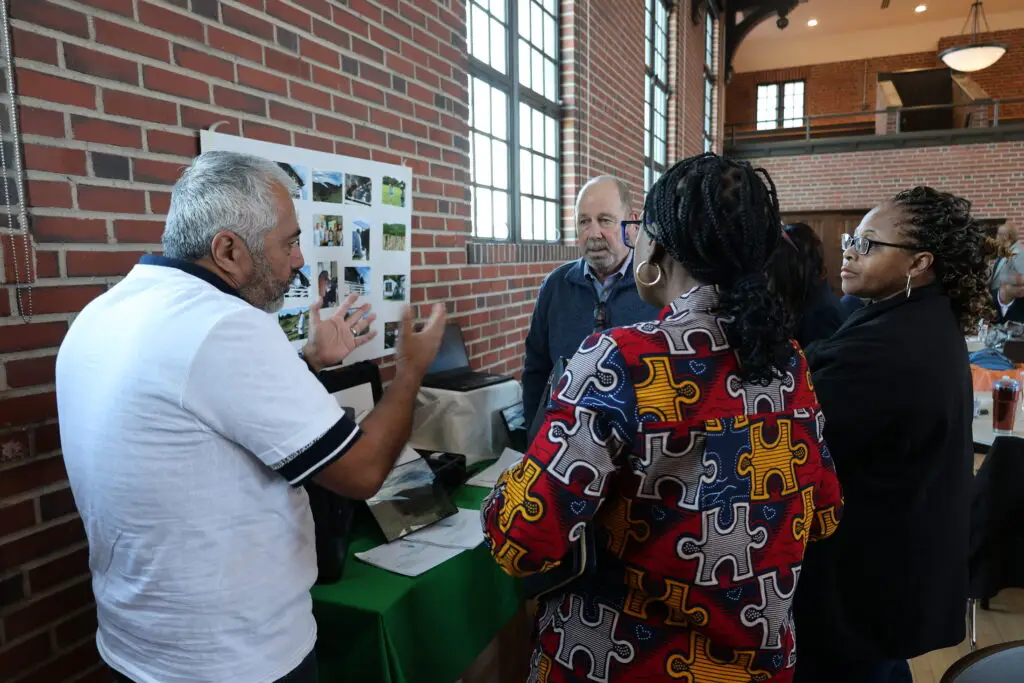
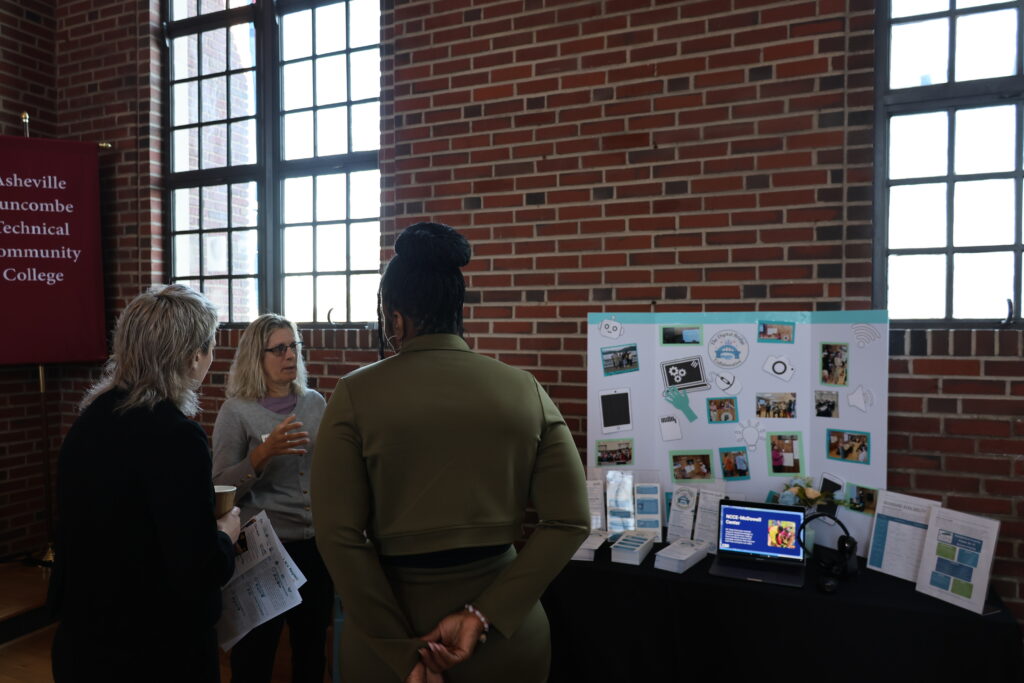
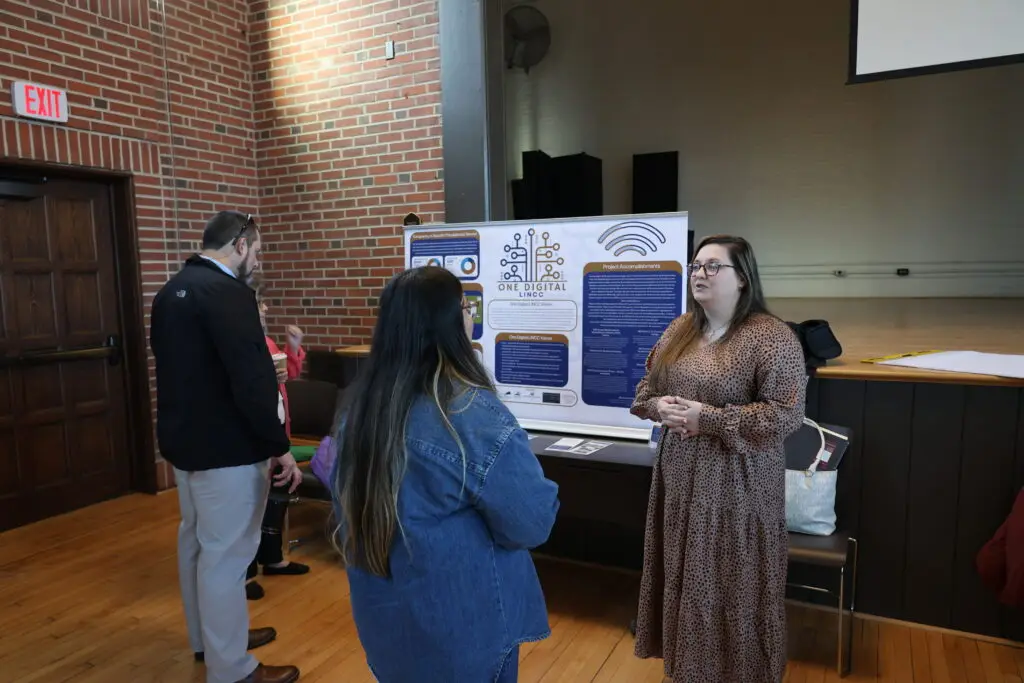
Our partners at Liminal Collaboration helped co-design a learning cohort for the collaboratives that met monthly for ten months. It focused on leadership development, organizational capacity building, shared learning and strategy development. Grantees learned about broadband issues, policy barriers and how to best engage community members. They were exposed to national models, learned best practices from experts, strengthened their ability to collaborate across differences, and forged new relationships across counties, sectors and lived experiences.
Perhaps most importantly, these connections – which grantees say were some of the “most impactful” aspects of the experience – created a supportive network and field of practice across WNC that can be activated on issues beyond broadband, long after the initiative ends.
What does this work look like in WNC communities? What difference is it making?
I love this question because I’m so amazed by and proud of the incredible work our collaboratives are already accomplishing!
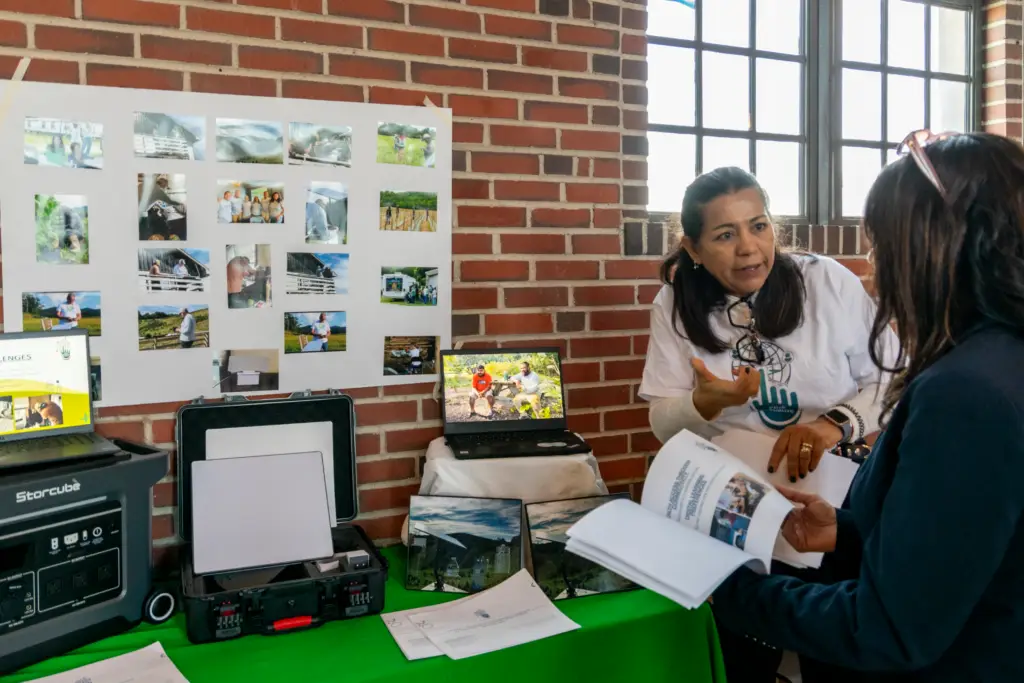
One collaborative – serving the Avery, Mitchell and Yancey counties – has partnered with the Buladean Community Center in Bakersville to develop a fully wired business center with an internet-accessible computer lab. Another collaborative is taking on a similar project at the Spring Creek Community Center in Hot Springs, which opened just this past November.
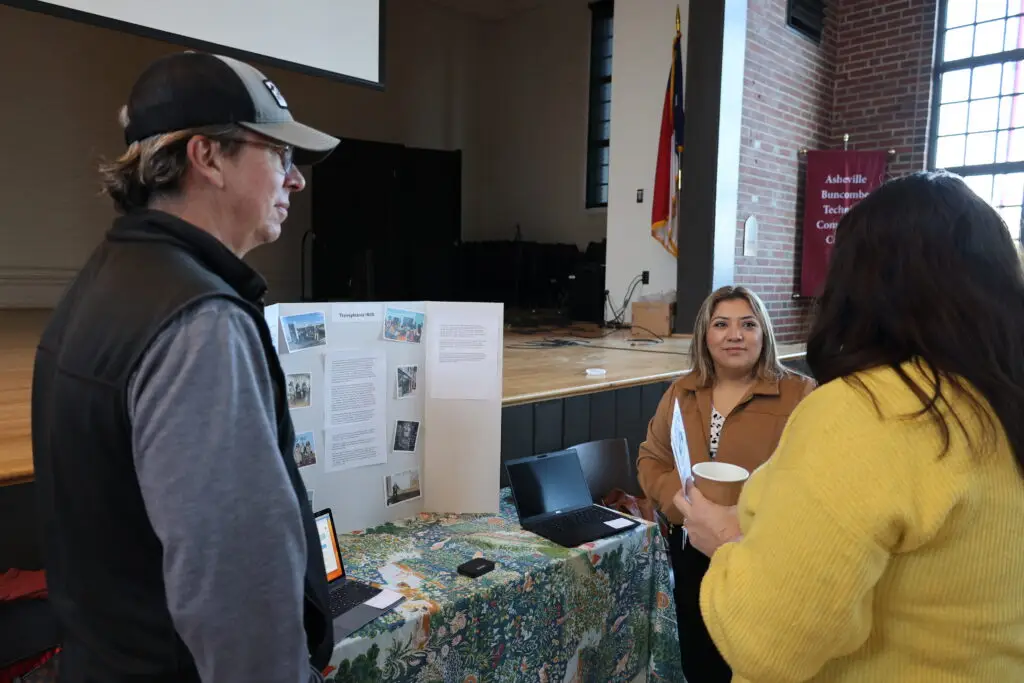
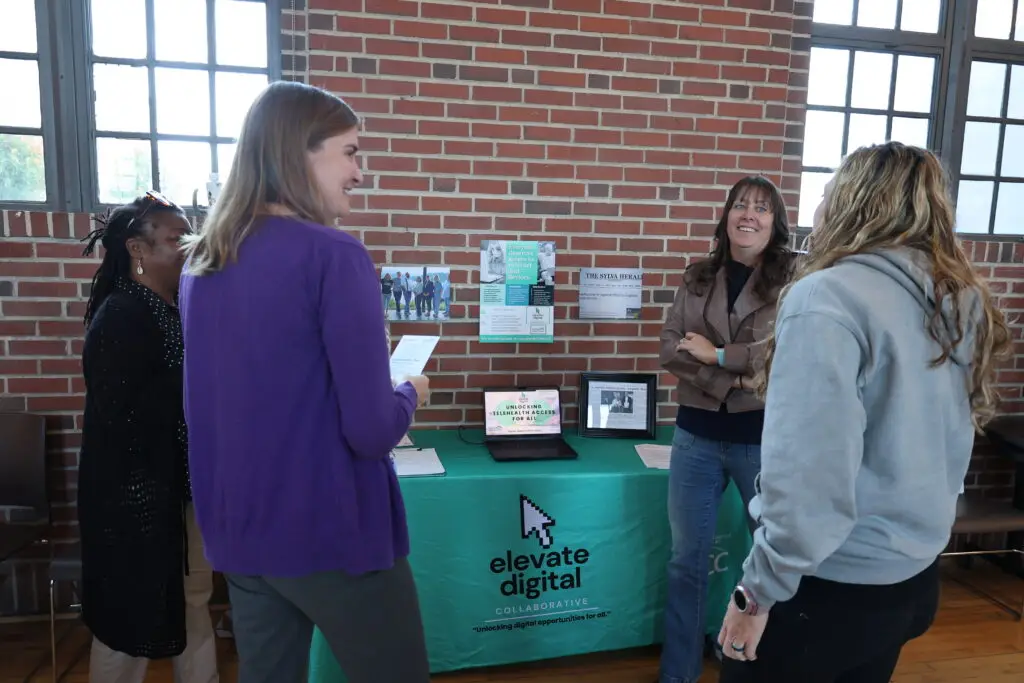
The Elevate Digital Collaborative – which serves community members in the Jackson, Macon and Swain counties and on the Qualla Boundary – hosted public listening sessions to hear residents’ real-world challenges and used what they learned to inform their strategies for expanding telehealth services.
Other collaboratives are offering digital literacy classes and Spanish-language programming, running device drives and giveaways, setting up internet hot spots, hosting community events and installing “shush booths” in neighborhood libraries.
What are some lessons learned so far? How can these lessons help WNC going forward?
In a recent evaluation of our first year, we identified three lessons that will shape our work in the future.
- Digital opportunity work accelerated across WNC because of the learning cohort.
One of the biggest takeaways from the learning cohort was how dramatically it increased grantees’ understanding of digital opportunities, both the challenges and the pathways forward. Grantees needed and valued the time, space and opportunities to learn from each other and share resources. Not every person started as an “expert” in this area, but when we bring people together, their collective wisdom helps get to the right solutions.
- Personal and leader development leads to community development.
Many collaborative members described their first-year experience as genuinely confidence-building and even “transformational.” Gaining access to new tools, spending time in honest reflection, and engaging in shared learning experiences helped grantees see themselves as leaders in new ways and strengthened their readiness to collaborate. We heard loud and clear that civic leadership development is not a side benefit of this work; it is core to it.
- This approach is not just a strategy for expanding digital opportunities: It is a strategy for building stronger communities.
During the first year, we saw collaboratives adapt to address evolving needs. We saw people take on new leadership roles in their communities. We saw organizations share resources and build durable networks across counties and sectors. And despite public funding cuts for this work, we saw collaboratives move forward to reach and support more people. This is a powerful reminder that when we work together and put local communities at the center of decision-making, we can tackle even the most complex challenges in our region.
What’s ahead in 2026 for the initiative?
We’re excited to see the ten collaboratives engaging with community members to implement plans they’ve developed. This may mean more communities are offering free internet access, laptops and training to help people safely connect to telehealth counseling, legal aid and job readiness programs. You’ll find digital navigators serving in local counties who offer not only technical support, but are trained to create confidence, dignity and a sense of belonging with our neighbors who feel unable to participate in a digital world. It may look like culturally responsive digital education that helps students, families and seniors more fully engage online and with their community.
Dogwood will expand our network of Digital Opportunities grantees in 2026 and offer deeper support for digital navigation, device access and distribution, and telehealth. Given the shifts in federal funding and recently announced Rural Health Transformation Program, we believe aligned investments in these three areas have the greatest potential to strengthen our digital ecosystem and bolster our region. Look for an open grant opportunity in April 2026 related to this. We’ll encourage existing grantees and organizations we haven’t yet funded to apply.
