
For Hadassah Evans, an internship at Safelight offered more than a firsthand look at nonprofit work. It gave her a closer view of the intersection of law, advocacy and social justice, reinforcing the direction she wants her career to take.
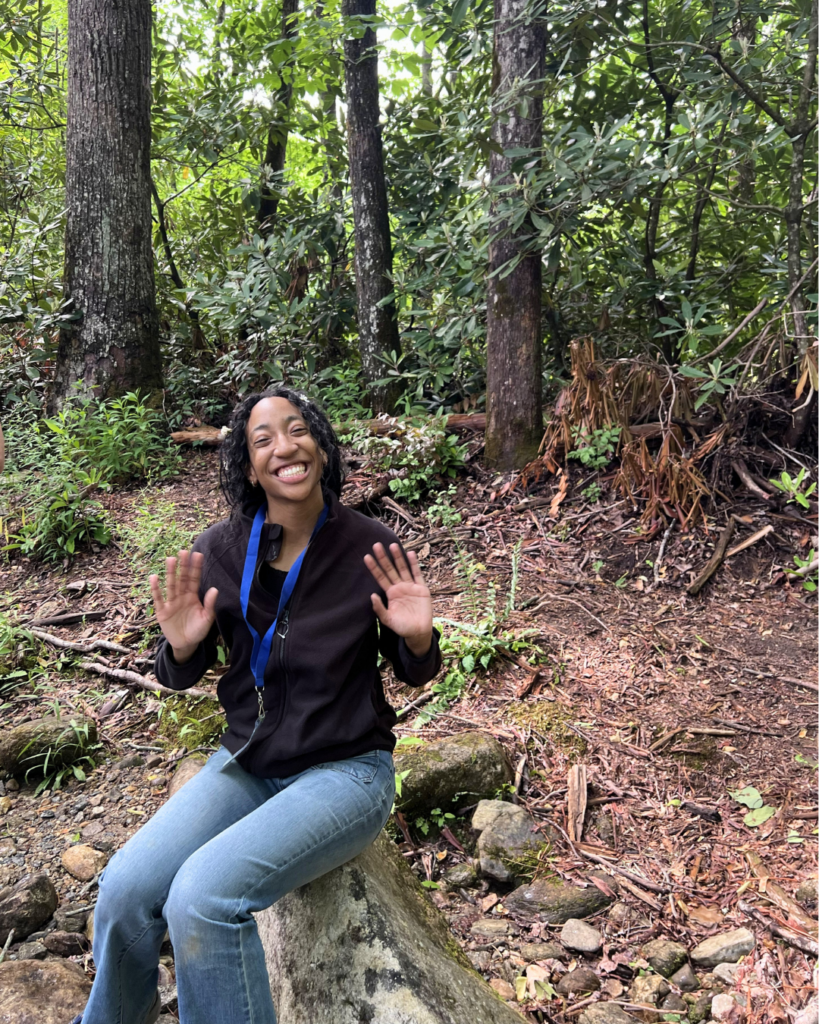
Through the Nonprofit Internship Program (NPIP), Evans spent her summer in Hendersonville, NC, working alongside case managers who support survivors of interpersonal violence. She helped families at the shelter, attended court proceedings and saw what trauma-informed care looks like in practice.
The experience brought the subjects she studies at Wake Forest University — sociology, criminal justice and African American studies — into sharper focus. “There’s a lot of transferability between law and social justice,” said Evans. “I got much more out of this internship than I was expecting to.”
Pathways into nonprofit work
NPIP connects college students with North Carolina nonprofits for paid summer internships. All candidates are Pell Grant-eligible and from households below defined income thresholds. Some are the first in their families to attend college, students of color or have grown up in single-parent homes.
The value for participants is significant: meaningful firsthand experience in the field, coupled with a living wage. Interns receive a taxable stipend of $5,760 and work full-time for eight weeks.
NPIP Intern Mia Mattern, a senior at Davidson College who is studying environmental science, said she jumped at the opportunity to apply. Mattern spent her summer working as a Food is Medicine intern at TRACTOR Food & Farms near her hometown in Avery County, exploring food access and community health.
“I have to pay for school somehow, so the fact that this internship was paid was amazing — that isn’t always the case. I was able to earn money close to home and give back to my community in an environmentally-focused, rural position,” she said.
For a second year, Dogwood Health Trust has expanded NPIP opportunities in Western North Carolina, funding internships at seven nonprofit organizations throughout the region. Yara Quezada Miller, collaboration and partnerships manager with the North Carolina Network of Grantmakers, leads NPIP and said that a primary goal is to expand and diversify the pipeline of future nonprofit professionals.
“A lot of interns arrive wanting to help make a difference in the world. Our internships strengthen their understanding of the structures that make that work possible,” she said.
Meeting people where they are
Hosting an NPIP intern at Safelight was a great experience for Chief Operating Officer Susan Huter. “Interns bring fresh perspective and energy,” Huter noted, adding that Evans was able to work across departments, gaining insight into the many roles that support Safelight’s mission.
Some of the most meaningful lessons were learned through the heart-led, hands-on nature of the work.
“Human connection is the foundation of moving from crisis to calm and sustainability with the folks we work with,” Huter explained. “Being unplugged and meeting people where they are sometimes helps people tease out what they can and can’t do professionally. You can’t learn that from a textbook or on a Zoom call.”
Mattern experienced that same value of direct connection at TRACTOR. Her work included helping with an annual survey of participants in food-access programs, developing questions and reaching 43 of about 60 participants by phone.
“Some people wanted to talk longer than others,” Mattern recalled. “Many of them were older or living alone and enjoyed the connection. Being hands-on taught me so much,” she said. “I was able to connect with people at TRACTOR. We got to know each other and share our stories.”
For Evans, such moments of connection were formative parts of her summer and helped her see how the skills and values she is developing now could carry into her future career.
“I worked with children, adults and whole families. I gained communication skills and expanded how I write,” she said. “I also learned how valuable and important trauma-informed care is. I hope to see how I can implement it as I continue on to law school.”
Growing the nonprofit workforce
Among North Carolina college students, interest in NPIP internships is rising. Quezada Miller said that NCNG has experienced an uptick in applicants.
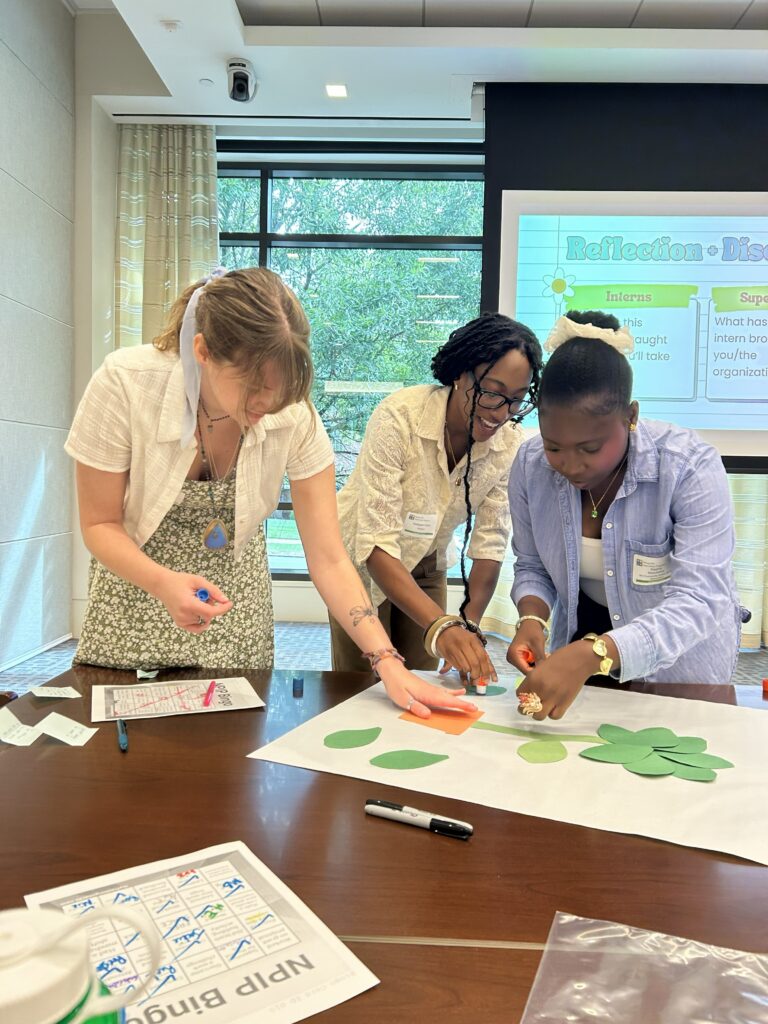
“There’s a hunger for this work,” Quezada Miller said. “When I first took this program over, we had about 160 students apply. This past year, we had almost 500 applicants. Paid internship opportunities are rare, and we want to make them the norm and not the exception.”
Growing interest comes at an important time for the nonprofit sector. According to a 2023 survey by the National Council of Nonprofits, nearly three out of four organizations reported job vacancies, with more than half reporting more vacancies than before. Staffing gaps are especially acute in frontline and entry-level positions, highlighting the importance of developing a strong pipeline of nonprofit talent.
In WNC, this trend is likely even more pronounced on the heels of Hurricane Helene. A report by WNC Nonprofit Pathways found that staff capacity has been a leading obstacle for organizations, with about half of respondents citing issues such as burnout complicating the recovery process.
Connections beyond the summer
Evans plans to return to Safelight next year as a seasonal employee supporting children and families through their Camp Hope program. Beyond the skills she gained onsite, Evans said connecting with fellow interns and supervisors within NPIP’s broader community shaped her experience as well.
“I really like how NPIP framed networking — not around what you can gain from someone else, but around connecting with people through our passions and lived experiences so we can grow and learn from each other,” Evans said.
Mattern’s experience similarly broadened her view of where a career could take her. Before the internship, she had heard the stereotypes about nonprofit work: long hours, multiple responsibilities and relatively low pay. But seeing TRACTOR operate firsthand gave her a more nuanced perspective.
“I’m more open to looking for jobs in the nonprofit sector,” Mattern said. “You hear that it can be more than you bargained for. But this allowed me to see that this often depends on whether or not you’re able to work at an organization that is organized and well-kept.”
For Quezada Miller, those connections are part of what makes NPIP’s impact extend beyond a single summer. The program enables students to explore nonprofit work while developing skills they can carry into any career path.
“No matter what you’re doing this summer, you’re going to learn how to communicate with people, you’re going to learn how to manage your time, and you’re going to learn what kind of leader you are — these are skills that you can take anywhere.”
