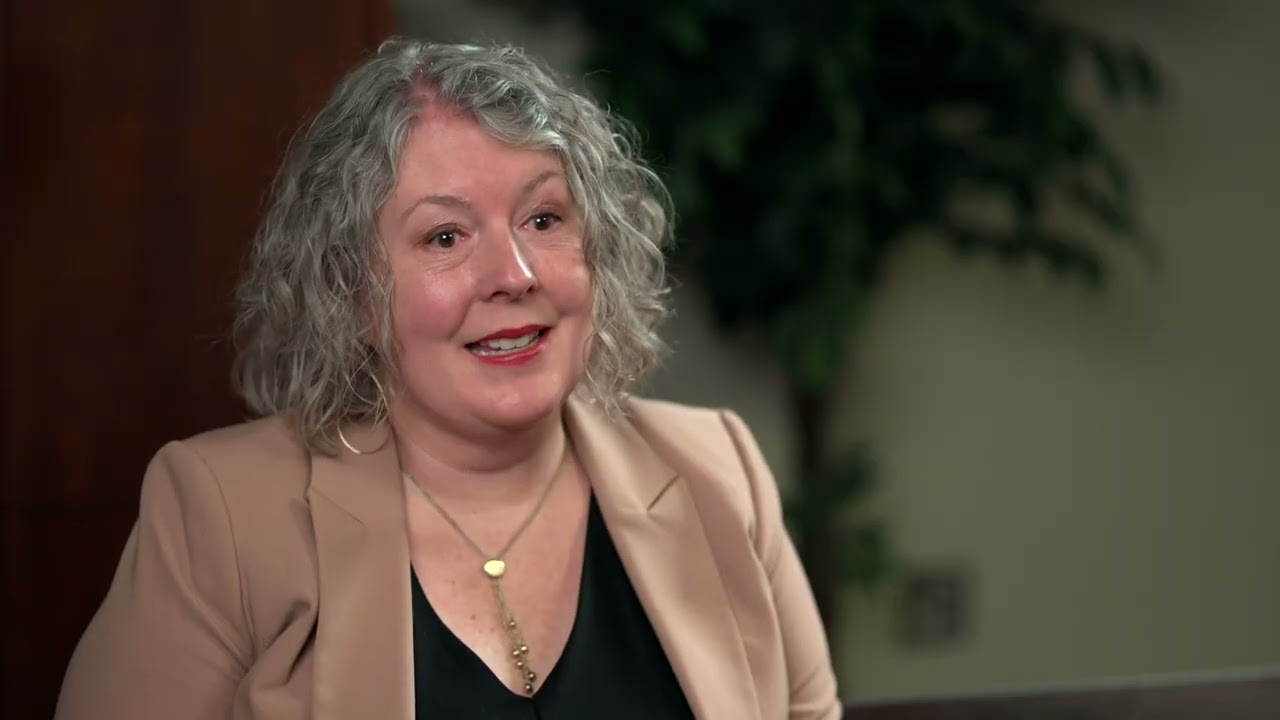
According to professionals who work within the child welfare system, time in foster care should be measured in minutes — not days, weeks or months. But across North Carolina, many children remain in foster care for years.
A recently released video series on the topic, produced by the Jackson County Department of Social Services (DSS) and funded by a grant from Dogwood Health Trust, stems from months of collaborative troubleshooting among regional DSS and court leaders across Western North Carolina (WNC).
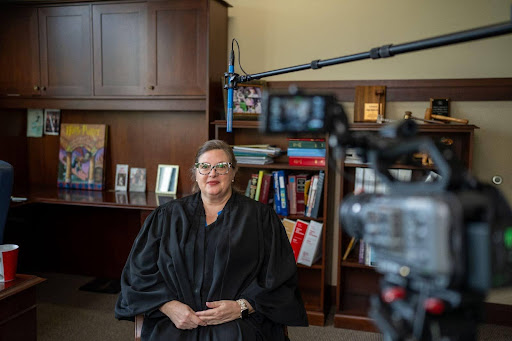
In addition to defining the overarching challenge, the series illuminates one theoretically solvable part of the problem: a chronic shortage of parent attorneys that contributes to delays and continuances in family courtrooms, leaving children to idle in temporary foster care.
“We started really zoning in on some of the issues in court because you can have a best-practice model, the best social workers and the best training, but the fact remains that if cases can’t get through the court process, then they won’t ever progress,” explained Cris Weatherford, director of Jackson County DSS.
Pinpointing the problem
This year in WNC’s District 43, which has a footprint as large as Rhode Island and stretches across seven counties, only eight part-time attorneys were available to support parents of roughly 400 young people in foster care. This expansive distance makes it challenging to travel between county courthouses, and even a single attorney absence can result in a cascade of continuances, derailing momentum.
The district needs more parent attorneys, but an antiquated pay grade is a significant barrier. The current compensation rate for court-appointed parent attorneys, set by the North Carolina Office of Indigent Defense Services, is $65 an hour, down from $75 in 2009.
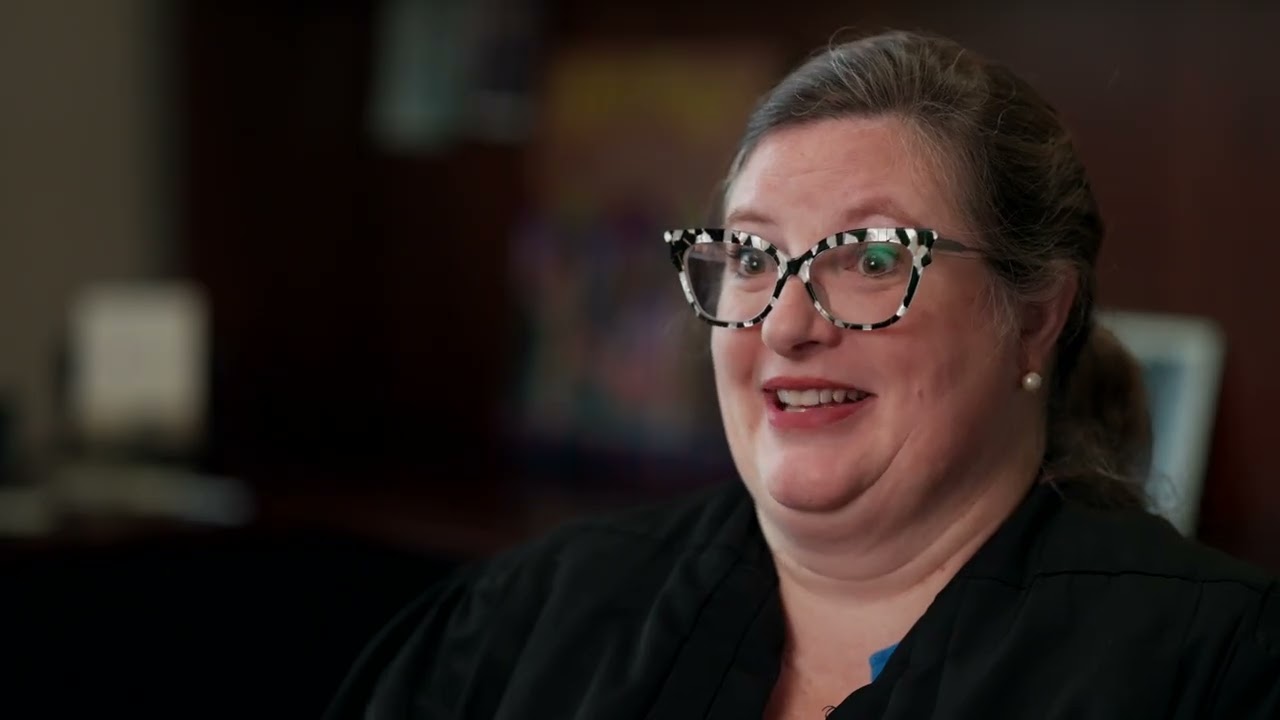
Rachel Hawes, Haywood County agency attorney, said that such a low rate of compensation makes it close to impossible to attract and retain enough legal professionals to manage overflowing caseloads.
“Nobody wants to do this work,” Hawes explained in one video, noting that after parent attorneys pay necessary overhead items such as malpractice insurance, wages for an administrative assistant and the cost of office space, there is not enough left for them to make a living wage. “You can’t live on that,” she stated.
Meanwhile, the fallout for families and children trapped in limbo caused by continuances is extremely traumatizing. The waiting game also contributes to burnout for those working within an already fragile child welfare workforce.
“Working day in and day out with families and seeing progress, you really want to move them along in the process. And when you can’t do that in a timely way, it’s a huge contributor to burnout because no one’s efforts seem to be paying off,” Weatherford said.
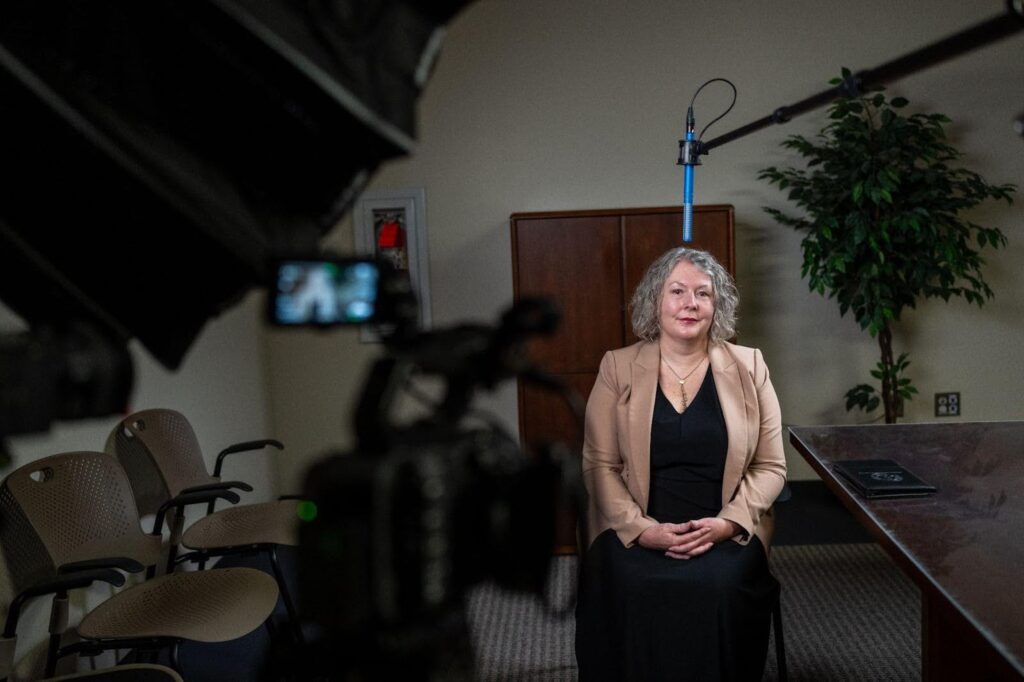
NC Guardian ad Litem
Proposing a solution
The call to action identified in the videos is straightforward: start by paying parent attorneys fairly.
“We want to boil this down into something that can be solved with action. The more our legislators hear about this issue, the better chances we have of them passing legislation that helps kids and families stay safer and get out of our system in a timely fashion,” stressed Weatherford.
“Having more parent attorneys is something that transcends as a statewide solution — it would help every district in our state struggling with this issue.” While there is still much work to be done in educating decision makers, Weatherford is encouraged by regional partnerships that span departments, jurisdictions, organizations and sectors — including philanthropy. Coming together and being able to use Dogwood grant funds to tell the story, he said, has made a big difference in identifying a path forward.
“Dogwood has become a go-to for learning more about problems so they can be solved, and this includes being able to take a risk and try something new,” he said. “This is a luxury many of us in the nonprofit or public sector space just haven’t had before.”
The full video series, featuring voices from across Western North Carolina, is available to view below.
Playlist

7:01

1:31
2:05