
With another school year underway, a newly formalized network of out-of-school (OST) providers is working hand-in-hand with Asheville City Schools to better support young people once the afternoon bell rings.
“At the end of the day, we want every one of our students not only to have exceptional experiences at school—we want them to have exceptional out-of-school-time experiences as well,” said Melissa Hedt, executive director of community partnerships for Asheville City Schools (ACS), who is spearheading the Asheville Beyond Schools Network initiative with her team.
“As a school system, we had a lot of individual relationships with these organizations, but it wasn’t a network. We wanted to create common goals and strategies and learn more about each other,” Hedt added.
ACS serves approximately 3,800 students daily, and nearly a quarter of them participate in afterschool programs once the final bell rings. Community-based programs provide a wide range of offerings, including opportunities in recreational sports, the arts, academic support, STEM, leadership development and career exploration.
Yet even with dozens of programs operating across the community, many families struggle to find and navigate available opportunities.
A two-year grant from Dogwood Health Trust supported the implementation of this work, including the hiring of two part-time ACS learning coordinators to map available OST programs, identify service gaps, and strengthen coordination among community partners.
The mapping showed that Asheville already had a rich network of programs, but families were not aware of them and logistical barriers such as transportation prevented students from participating. Those findings directly shaped the next phase of the work: creating the Beyond School network of providers to solve challenges collectively.
For Gabbi Santander, manager of the afterschool and summer enrichment program at Children First Communities in Schools, joining the network has been transformative.
“Not only does it improve our programming, the way our staff approaches things and how we are learning and growing as professionals also changed. Almost all of our community partners have come from this network,” Santander said. “Being connected in this way really allows us to build off each other’s successes and have collective success.”
Learning Together
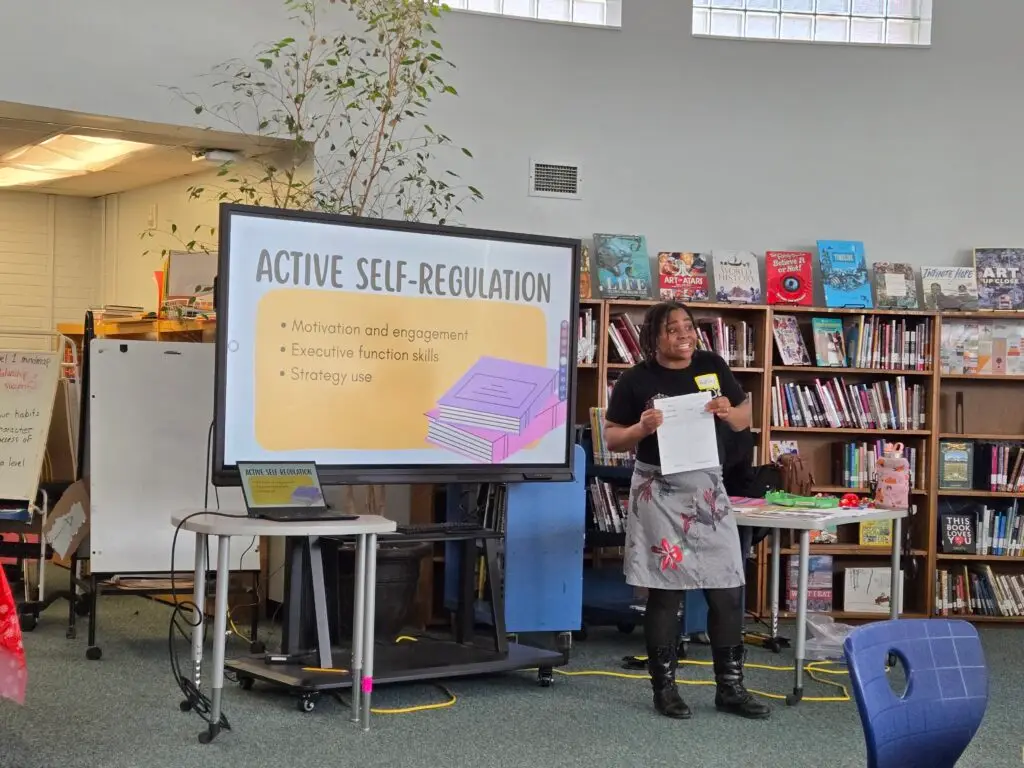
When Asheville City Schools first began convening OST providers, many organizations were facing similar challenges but rarely had opportunities to learn from one another. Through the last year, this has changed. Network members attended more than a dozen convenings focused on topics ranging from literacy and grant writing to youth mental health, academic success and social-emotional learning.
“Seeing these bridges being built between programs is ultimately helping young people try out different programs and discovering what they love and are excited about,” explained ACS Learning Coordinator Erika Germer.
The school system’s partnership has also proved beneficial for OST program leaders who are helping students to succeed academically. Some learning sessions have included Q&A and feedback opportunities with principals and school district staff, allowing both groups to better understand each other’s work.
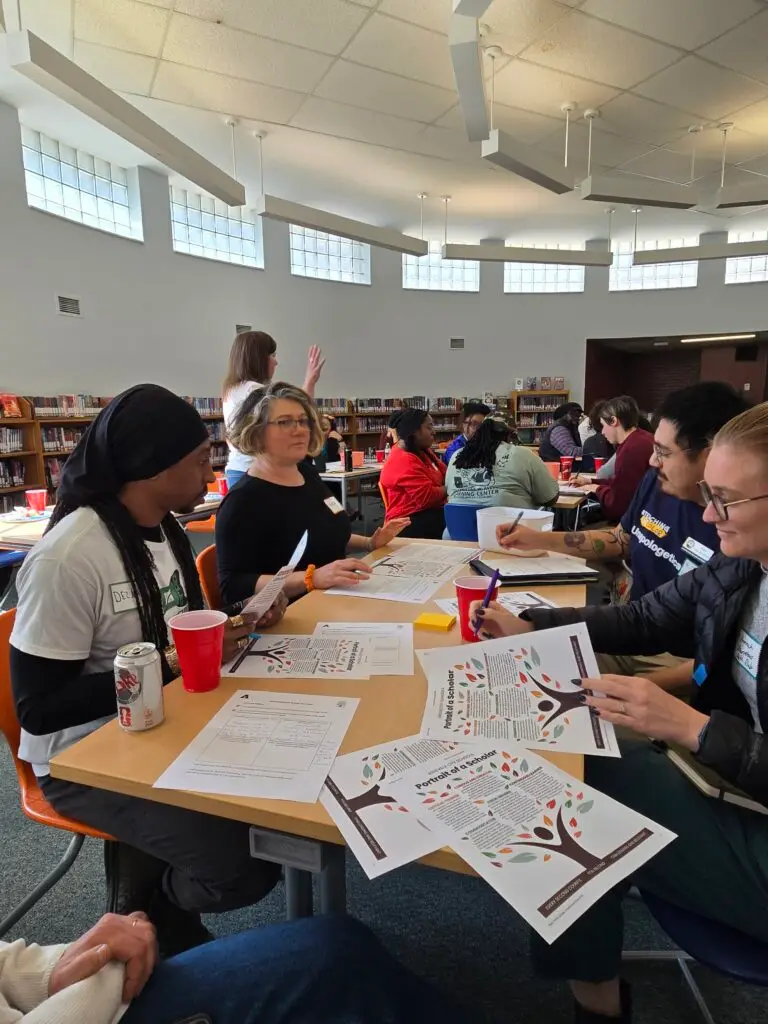
“Some of the most positive feedback from our partners was when principals, the superintendent and our curriculum instruction team came and pulled aside the curtain for afterschool partners,” Germer said. “That kind of communication is lovely to see.”
Members of the network are also looking for more ways to learn from one another. A new series of site visits is underway, allowing providers and school staff to observe OST programs firsthand to understand best practices, diverse cultures and dynamic approaches to supporting young people.
Why the Work Matters
The network’s emphasis on collaboration is grounded in decades of research showing that what happens after the school day can be just as important as what happens during it. Research consistently demonstrates that high-quality OST experiences improve academic achievement, strengthen social skills, foster positive relationships and reduce risky behaviors. One study demonstrates that these benefits can even extend well into adulthood.
Beyond academics and enrichment, afterschool programs also provide trusted adults and safe spaces where young people find the support they need.
ACS Learning Coordinator Shalissa McDaniels personally understands that reality. Before being hired to help create the network, McDaniels spent more than a decade working with youth. She later witnessed the challenges they faced from a different perspective as a criminal magistrate in Buncombe County.
“I’m here to make sure that when the school day ends, these students have services and providers that can help fit their needs,” she said.
McDaniels isn’t alone in that assessment. Across the network, youth-serving professionals like Cam Hardin, program manager with the Center for Participatory Change, say they see the same challenges reflected in the lives of the young people they work with.
“It’s important to understand what some of these kids are going home to,” Hardin reflected. “Not everyone is getting a full meal and a good night of sleep. Some are going home to fend for themselves and try to get through the night.”
Moving from Programs to Collective Impact
As trust and connection grow within the network, tangible results are emerging. This year, ACS will launch a searchable online directory called Beyond School that helps families find afterschool and summer opportunities based on interests, cost and transportation options.
And while the Dogwood grant concludes in 2027, those involved believe that the collaborative network believe that the work will continue long after the funding ends. ACS plans to provide ongoing support for the network by making it part of its ongoing operations.
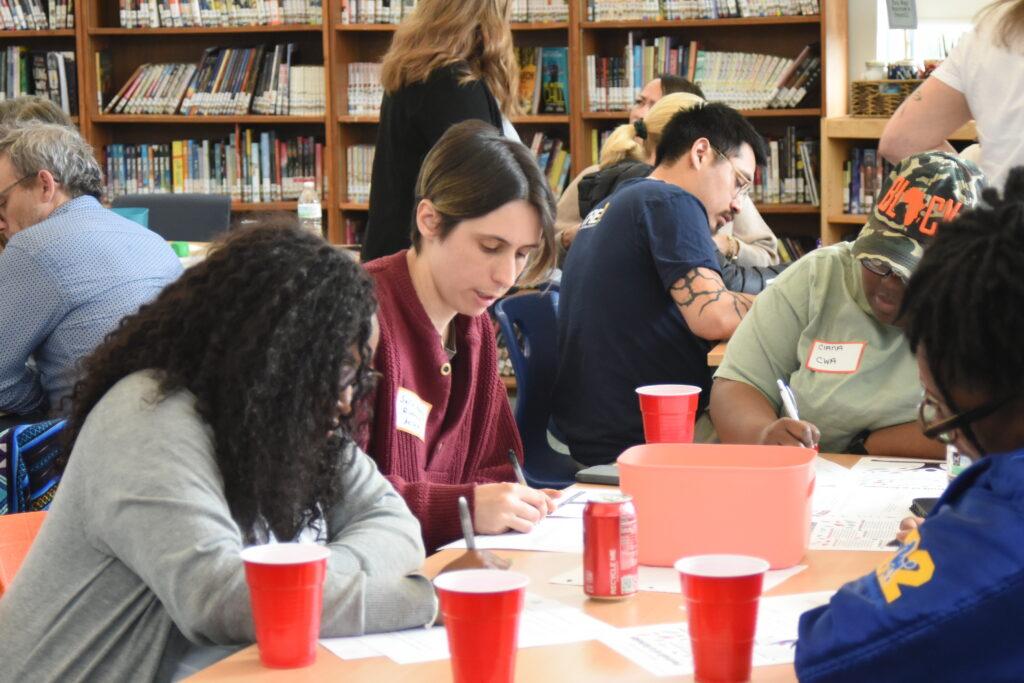
“We’re all serving youth who are experiencing different challenges in their communities, and it feels exciting to move into a different level of collaboration,” Hedt said, adding that for everyone involved, success comes down to students having greater access to opportunity, stronger supports and brighter pathways for the future.
That spirit of connection is something Santander said she has seen grow throughout the initiative. Since its creation, the network has expanded from 25 direct service providers to more than 40 different organizations. “Such a broad network of connections has happened,” Santander shared. “There are so many passionate, kind, immensely talented people doing this work.”
