
At age 50, Sheryl is an accomplished and ambitious woman. She’s a writer, a barista, a community health worker and a peer support specialist. She’s working to attain her commercial driver’s license and has her sights set on pursuing EMS training.
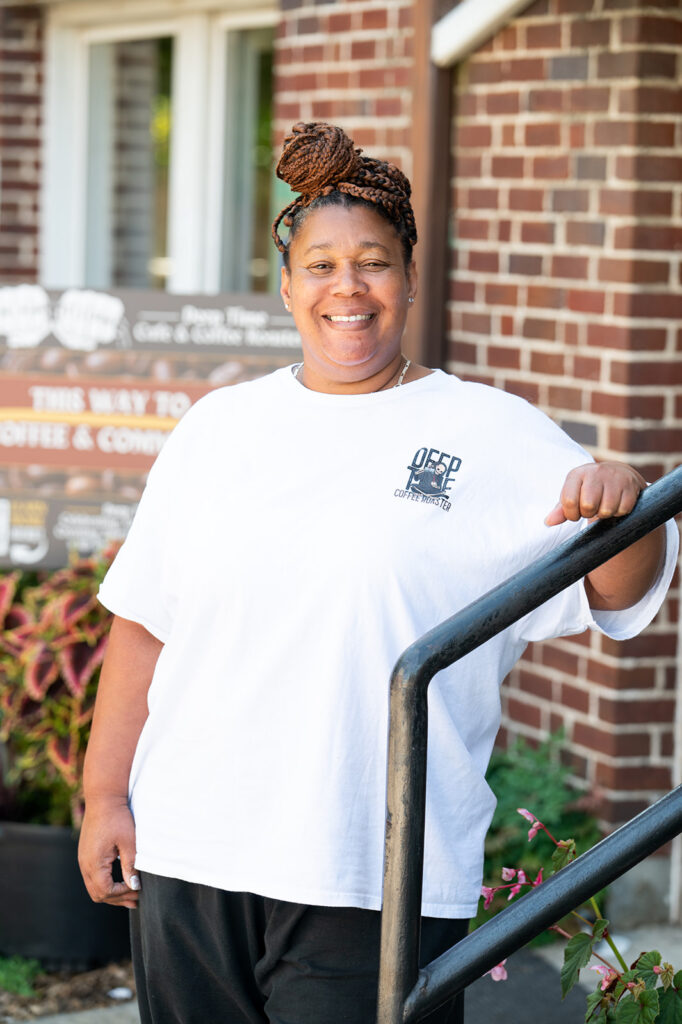
But Sheryl is also a Sojourner.
After serving a 32-year prison sentence, Sheryl is a returning citizen forging a new future at Deep Time in Asheville, N.C.
“I think the best thing and the hardest thing about being a Sojourner is working on myself,” she said during a break from serving cups of freshly brewed coffee. “I want something different and better for myself, and I’m doing everything in my power to get it done.”
Operating out of the basement of Trinity United Methodist Church, Deep Time provides a sunny, cozy nook for sipping coffee, with needlepoint throw pillows, a loveseat, bright, funky art and a bulletin board overflowing with resources and community announcements.
At the same time, the work-based social enterprise provides “Sojourners” like Sheryl with second-chance employment, mentorship and workforce readiness.
Powered by people
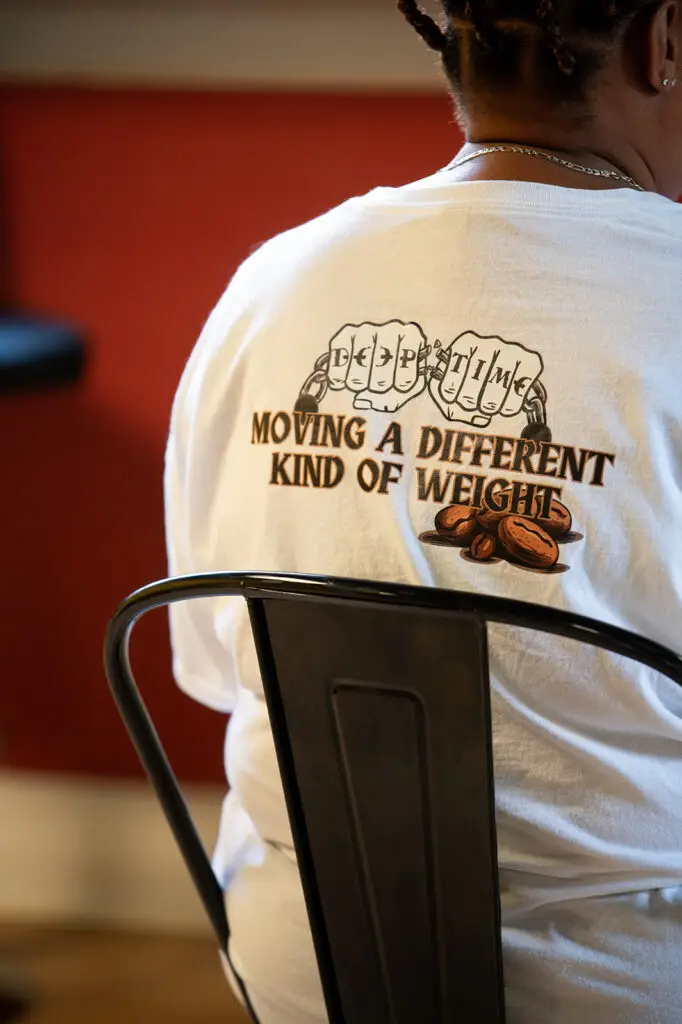
“I want folks to see the potential of returning citizens,” said Rev. Dustin Mailman, Trinity United Methodist pastor and founder of Deep Time. “There’s a level of thoughtfulness and genius with these people that I’ve never experienced with any other community.”
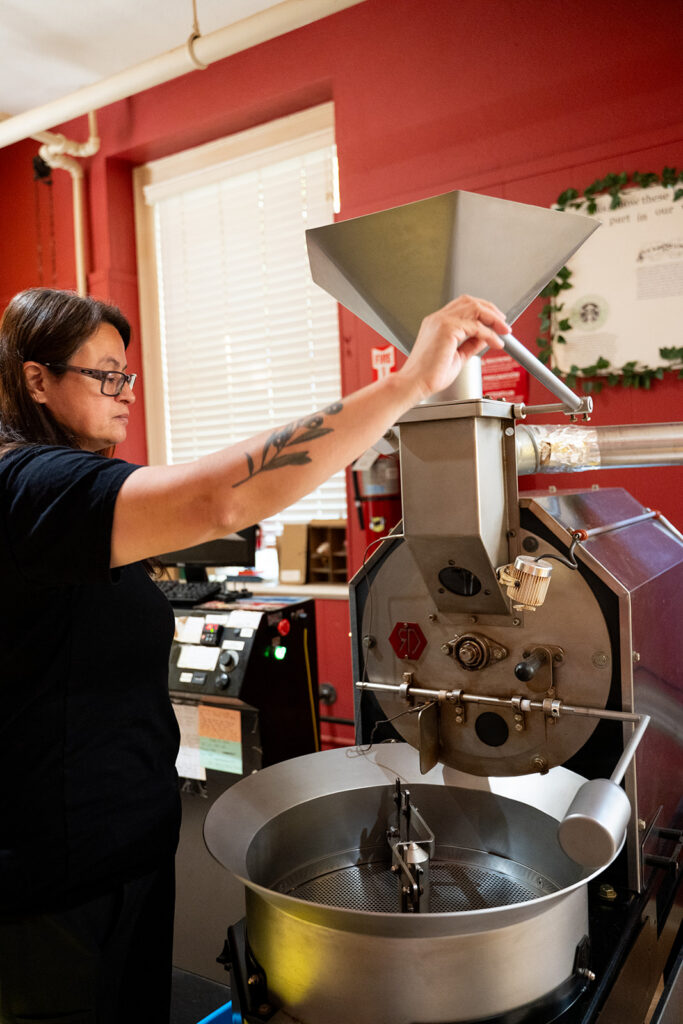
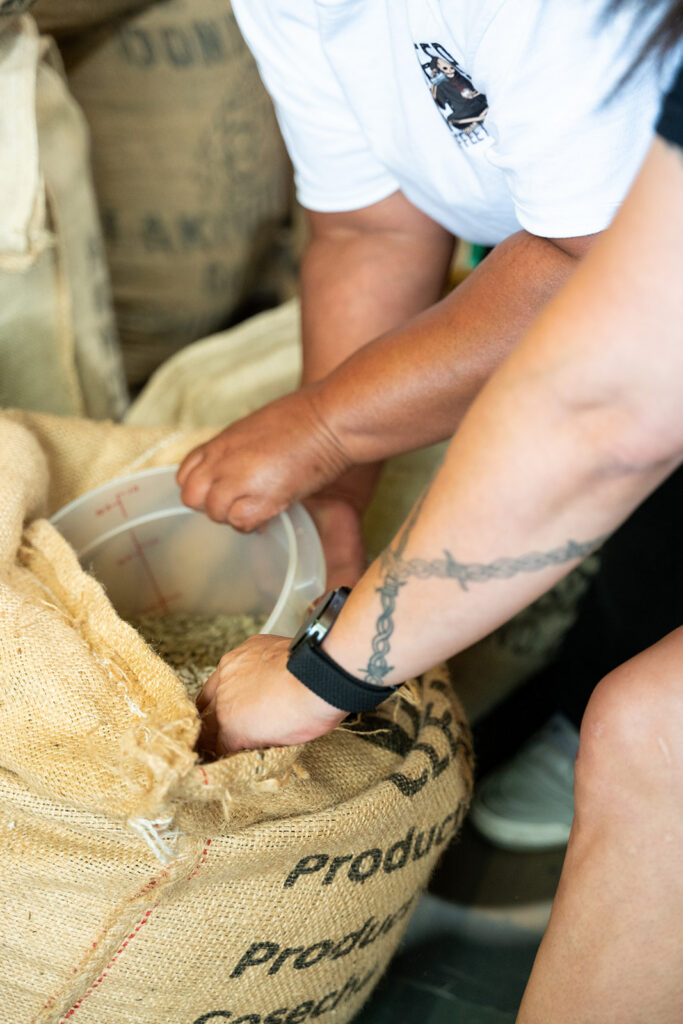
Mailman said Deep Time reaches more than 200 people each year through community outreach, word of mouth and “in-reach” at local jails and prisons with those nearing the end of their sentences or becoming eligible for release. About 25 returning citizens become Sojourners each year. Through the nine-month program, Deep Time offers participants on-the-job training in coffee roasting and barista skills.
But that’s just the tip of the iceberg.
“Education and resource attainment are a big part of it,” Mailman explained. “We’re equal parts employment, health outcomes and positive community context.”
Together, those efforts amount to roughly 30 programs either operated by Deep Time or offered to Sojourners through partner organizations with options ranging from trauma-informed financial literacy to workplace social-emotional learning.
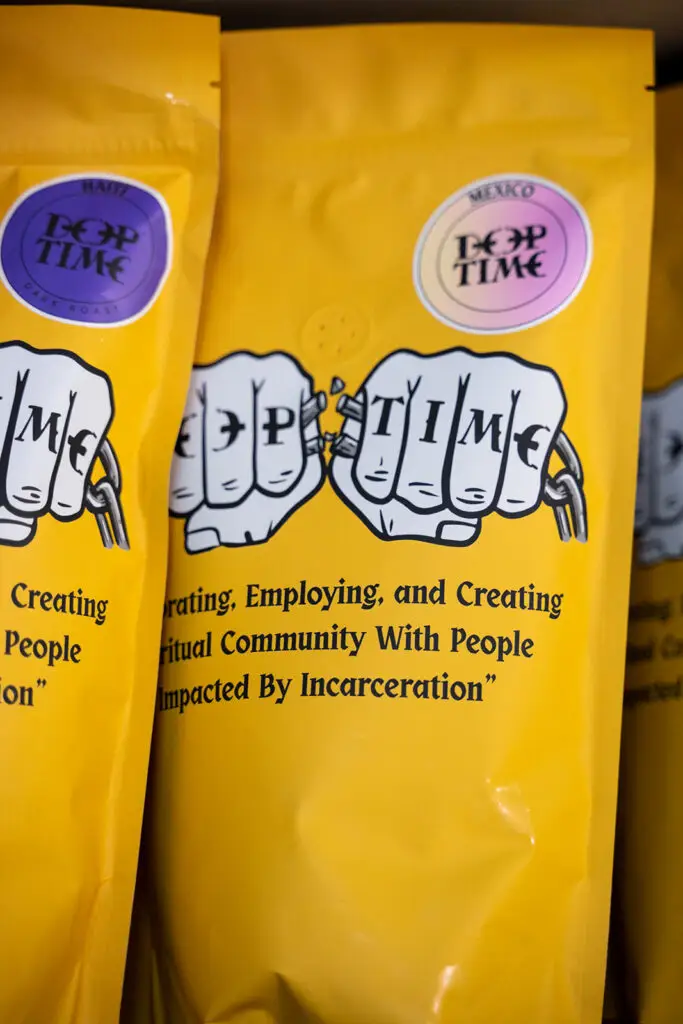
In its first four years of operation, the program is showing promising outcomes. While the average recidivism rate in North Carolina hovers around 36%, that number is reduced to 20% among Deep Time participants.
How it started
Four years ago, Mailman launched the social enterprise in partnership with the church.
The idea was inspired by peers in the field, including Haywood Street Congregation and Homeboy Industries. But it grew out of Mailman’s commitment to meeting people where they are and “finding Jesus on the street.”
“When we started, we saw the violence, we saw the intensity, we saw the huge gap in our community. I got to know folks really well,” Mailman said. “I was hanging out in Pritchard Park or ABCCM’s crisis ministries. I was waiting in methadone clinic lines and offering care. I tried to make sure every meal that I ate was on the streets with the folks who were there.”
Then a coffee roaster came up for sale, and Mailman saw an opportunity to repurpose an underutilized church building.
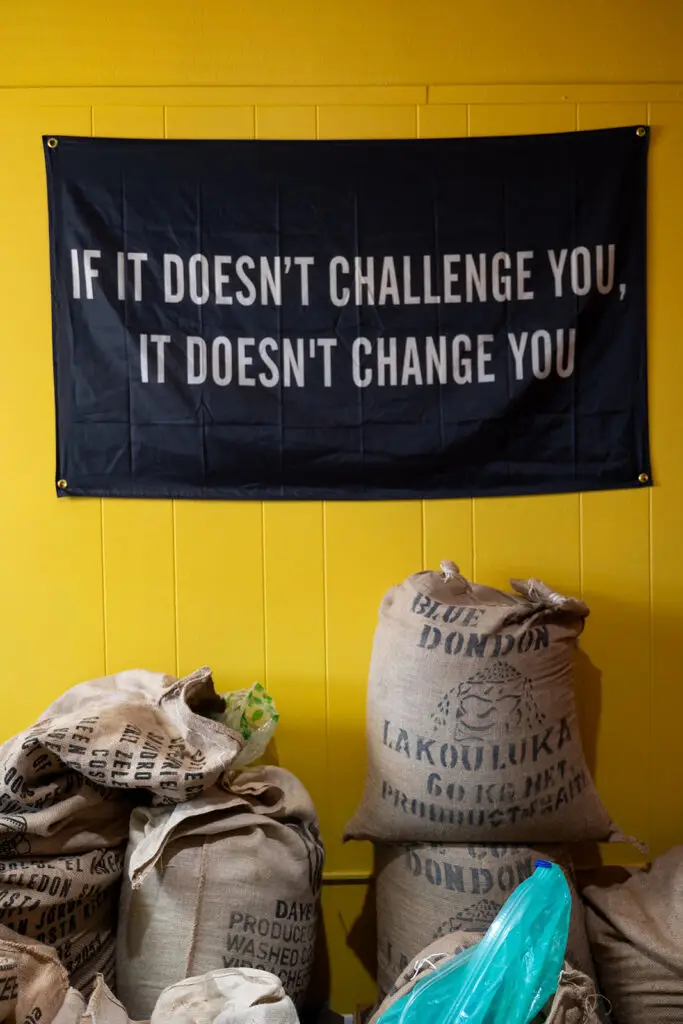
“I shifted from a scarcity mindset to an abundance mindset,” he said. “I began to wonder what it would look like to intersect this world of specialty coffee that’s pretty inaccessible, with dignity and justice and a square focus on folks being well as they are coming home from prison.”
Since then, Deep Time has gained momentum and focus, fueled by supporters, customers, partners and funders, including Dogwood Health Trust and a recent Stronger Organizations grant.
Mercy’s mission
For two of the past four years, Mercy has been part of Deep Time’s evolution. A former Sojourner and now the organization’s operations manager, she said the program changed her life’s trajectory.
“When I came to Deep Time, three things happened for me within nine months,” Mercy recalled. “The first was that I got off parole. Second, I got an apartment. And the third was I got a promotion. All of this happened because they believed in me. It was because they said yes—
a big, huge yes.”
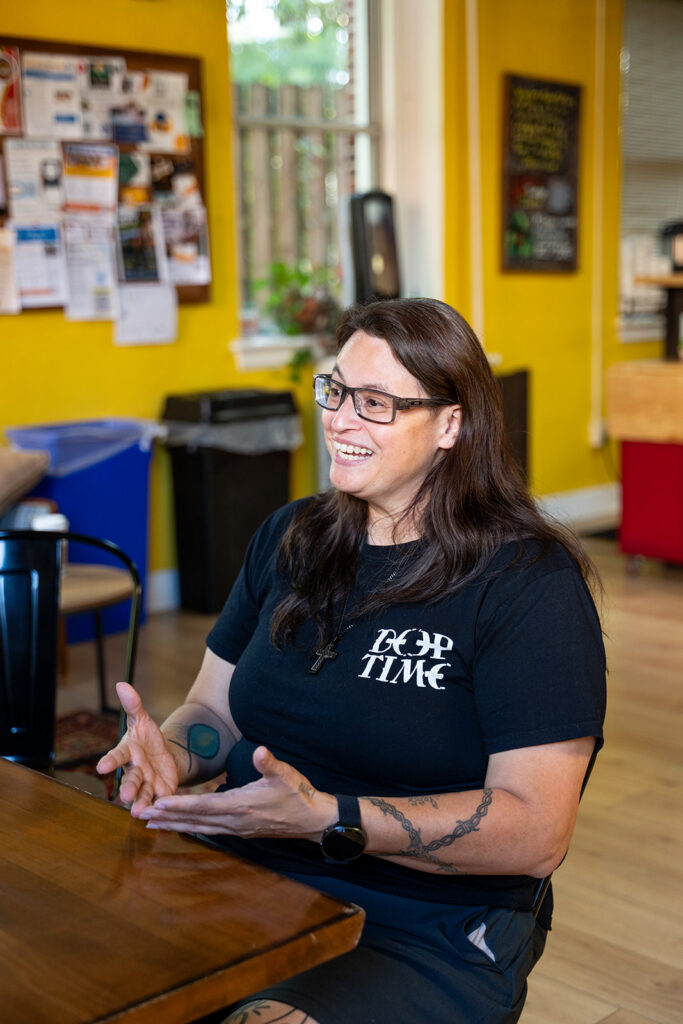
As operations manager, Mercy now helps handle the day-to-day aspects of running the business while also providing insight, guidance and mentorship to people who have walked in her shoes. Her favorite part of her work today is telling others yes.
“Sometimes people come in so defeated. They don’t feel worthy, and they have no hope,” she reflected.
“But we get to say, ‘This opportunity is real, and it’s not just about you coming in to do a job. It’s about learning how to work with other people and how to move out of transitional housing and get a place. And you’re going to show me how it gets done. And I’m going to be here cheering you on the whole time.’”
Proving society wrong
The path forward can be challenging. Poverty is one of the strongest predictors of whether someone returning from incarceration will end up back in prison. Returning citizens also face unemployment rates of more than 27%, and more than a quarter lack a high school diploma, GED or college degree.
Deep Time addresses those barriers with paid work, professional training and a $15 beginning hourly wage. Sojourners gain employment experience and certifications that can improve their professional options, including community health worker, trauma resiliency with Umoja Health, Justice and Wellness, and ServSafe® food-service credentials.
But Mailman said employment is only part of the equation. A sense of community is critical to every person’s success, no matter who they are or where they come from.
“If all you know is street life when you’re stepping out, when you see the first semblance of that, you often go with what you know,” Mailman said. “We realize the need for structure and an ecosystem of support. We’re not just offering a kind and gracious space—it’s a space that’s going to hold you accountable in a loving way.”
Another challenge is facing the stereotypes that can hinder efforts to reintegrate, Mercy said.
“There is a stigma placed on people who have mental health issues, homelessness, substance abuse. Society says, ‘You don’t get to do this. You don’t deserve to be that.’ But at Deep Time, we come in, and we prove society wrong.”
What’s on the horizon
Mailman sees continued potential in diversifying Deep Time’s offerings. One new initiative focuses on tattoo cover-ups, and eventually tattoo removal, for gang symbols, hate symbols, white supremacist imagery and other marks that can carry painful associations long after someone has left that part of their life behind.
Future dreams also include a cafe, food trucks, publishing houses, media outlets and growing the Sojourner Program from nine months to an 18-month wraparound journey that offers housing, employment, access to medical care and intentional spiritual formation.
“The point is to be a launching pad to get folks to baseline to where survival is an afterthought, and life is more predictable,” Mailman said. “Primary success is that the social determinants of health are met: a consistent roof over your head, access to healthcare, gainful and meaningful employment. We want people to have autonomy, and a community that cares about them.”
For Mercy, Deep Time has helped her think big.
“My goal is to be here when we branch out to another city or even another state. Asheville is not the only city that needs this. With us leading by example, we can inspire others.”
Sheryl’s plans are becoming long-range, too. She’s working on the 21st chapter of her autobiography and just recently obtained her driver’s license.
“I stay pretty busy between two jobs, writing and school. I’m very excited for November to come because I’ll be finished with two classes. I said I was going to chill out for a minute after that, but I’m not,” she grinned.
“There’s just something about this place,” she remarked. Ultimately, around here we have each other’s backs. We all want the best for one another, and we’re all human beings.”
